DUODENAL SWITCH

What is Gastric Bypass

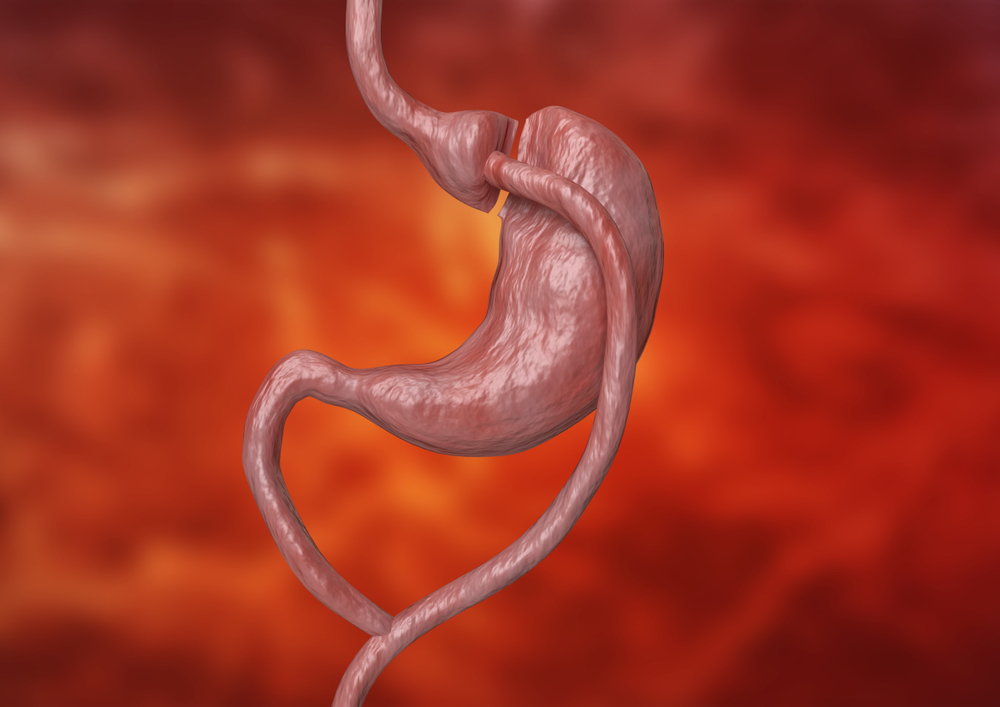
Gastric bypass, recognised as a widely embraced and clinically proven weight loss method, entails the meticulous creation of a smaller stomach pouch and the strategic rerouting of the small intestine . In stark contrast to the less intrusive gastric sleeve procedure, gastric bypass stands out for its remarkable efficacy in fostering weight loss and promoting overall health improvement. This is achieved by deliberately constraining the stomach's capacity and redirecting the digestive pathway, resulting in substantial and enduring outcomes.

However, the triumph of gastric bypass hinges significantly on the unwavering commitment to a meticulously structured post-surgery dietary regimen . Patients are required to adopt a disciplined approach, emphasizing the consumption of nutrient-dense, portion-controlled meals. This unwavering dedication is not only pivotal for ensuring optimal results but also plays a crucial role in preventing potential complications

Beyond its weight loss benefits, gastric bypass comprehensively addresses underlying health conditions linked to obesity , positioning it as a holistic solution for individuals seeking enduring transformation and enhanced well-being.
GASTRIC BYPASS – HOW DOES IT WORK?

Laparoscopic Roux-en-Y gastric bypass surgery is a procedure where small cuts are made in the belly. It's done while the person is asleep and typically takes 1-3 hours, and most people stay in the hospital for about 3 days. The weight loss happens slowly, with the quickest results in the first few months. It might take 1.5 to 2 years to lose the most weight, and during this time, up to 70% of the extra weight can be shed. To be eligible for this surgery, a person needs to have a Body Mass Index (BMI) of more than 40, or over 35 with obesity-related conditions.

A

Pre Procedure

It is recommended for individuals who meet certain criteria. These may include:

  • Body Mass Index (BMI) of 40 or higher, indicating Morbidly obesity (class III)
  • BMI of 35 or higher, accompanied by obesity-related health conditions such as diabetes, high blood pressure, sleep apnea, heart disease, cholesterol etc
  • Previous unsuccessful attempts at weight loss through diet, exercise, and other non-surgical
    methods
  • Past medical and surgical history may also affect eligibility, so it is important to come in for a
    consult beforehand.

MEDICAL – Obesity-related illnesses such as heart disease, stroke, type 2 diabetes, cholesterol,
infertility, sleep apneas, asthma and cancer; are reduced. It also helps in long-term control of
type 2 diabetes, and less dependence on medication — or the elimination of medication
altogether.

PHYSIOLOGICAL – You may also enjoy the elimination of back and joint pain, decreased depression, improved breathing and increased energy.

PSYCHOLOGICAL – Dramatic improvements in your overall health and quality of life with improved self-image, increased self-confidence and the satisfaction that comes from enjoying a wider range of activities with friends and loved ones.

Results may vary dependent on lifestyle changes as well, we recommend an amalgamated approach for best results and sustainability.

PREPARATION – Medical & psychological evaluation. Fitness & nutritional preparation with the team weeks before up to day of procedure.

WEEKS BEFORE
To determine the suitability & your body’s fitness for the surgery we will take you thorough
medical, psychological, nutritional assessments and pre- counselling.
The pre-surgery weight loss diet is essential because it is low in fat and carbohydrate content,
helping reduce your glycogen levels and reduce your liver size so that the operation can be
conducted.
There should be no intake of caffeinated drinks (coffee and energy drinks) at least a week before
your surgery date. Your dietary intake in the week leading up to the surgery should be light like
vegetables and fruits.
DAYS BEFORE
You’ll need to stop smoking, eating heavy unhealthy meals, stop taking aspirin, ibuprofen, and
other blood-thinning medicines in the days before your surgery. You shouldn’t eat or drink
anything after midnight before surgery.

C

Post Procedure

TIMELINES – 3-5 days’ hospital stay, full recovery to normalcy may take a few weeks

Recovery may vary from person to person, but here’s what you need to know:
Hospital Stay: 3-5 days after the surgery to ensure proper healing, rehabilitation and
monitoring of progress. Patients who have undergone laparoscopic procedures may return to
work within 1 week after surgery. However, it is not advisable to engage in intense physical
work

DIET – Progressive transition from liquids in the first few days to softer foods, until back to normal solid food in the weeks ahead, done under nutritional guidance

Shortly after surgery, you’ll begin reintroducing foods into your diet in phases in consult with
your nutritionist who will teach you how and what to eat with your reduced stomach size. You’ll
start consuming a clear liquid diet within 24 hours of your surgery, then advance to a full liquid
diet, a soft food diet, and your regular diet in the weeks ahead. You will also have to reduce
certain foods, such as simple sugars, including honey, white sugar, or syrups, to avoid dumping
syndrome. You will be need to chew slowly and fully, and not to drink 30 minutes before or after
you eat. While it may seem demanding, ignoring dietary recommendations may cause
constipation, dehydration, diarrhea, or in extreme very rare cases, gastric acid leakage.

SUPPLEMENTS – depending on your diet and the team’s assessment you may be put on multivitamins as needed.

You will have follow-up visits with your bariatric surgery team to help you develop good eating
and exercise habits that will change your lifestyle. Your initial weight-loss may occur quickly, so
it’s important to get all of the nutrition and vitamins you need as you recover. To prevent
nutritional problems after surgery, your doctor may advise on supplements like Vitamin B12 and
iron.

FOLLOW-UP & PRECAUTIONS – post-surgery it is important to keep in touch with your team and follow their instructions to avoid any major symptoms or complications. Lifestyle modification is incorporated for sustainability and lifelong results.

Tell your doctor right away if you have any of the below:

  • Fever
  • Your wound becomes painful or hot to the touch or leaks fluid
  • Coughing or trouble breathing
  • Vomiting and diarrhea
  • Pain in the abdomen, chest, shoulder, or legs
  • Any other problems or symptoms
    During weight-loss, you may have body aches, dry skin, mood changes, and temporary hair
    thinning, and feel tired and cold among others. As your weight stabilizes, these problems should

go away. Weight loss continues for about a year, and then it will stabilize at your body’s
optimum BMI. It is important to incorporate lifestyle modification for sustainability and lifelong
results.

B

How is it done & How does it work

Laparoscopic Roux-en-Y gastric bypass surgery is done using tiny incisions in the abdomen lasting, under anesthesia and usually lasts 1-3 hours with about 3 days as hospital stay. Weight loss occurs gradually being fastest in the first months. 1.5-2 years may be required for maximum weight loss. Up to 70% of the excess weight is lost within this period. It involves these 3 processes:
  1. Food intake restriction
  2. Reduced fat absorption
  3. Metabolic effect
Food Restriction

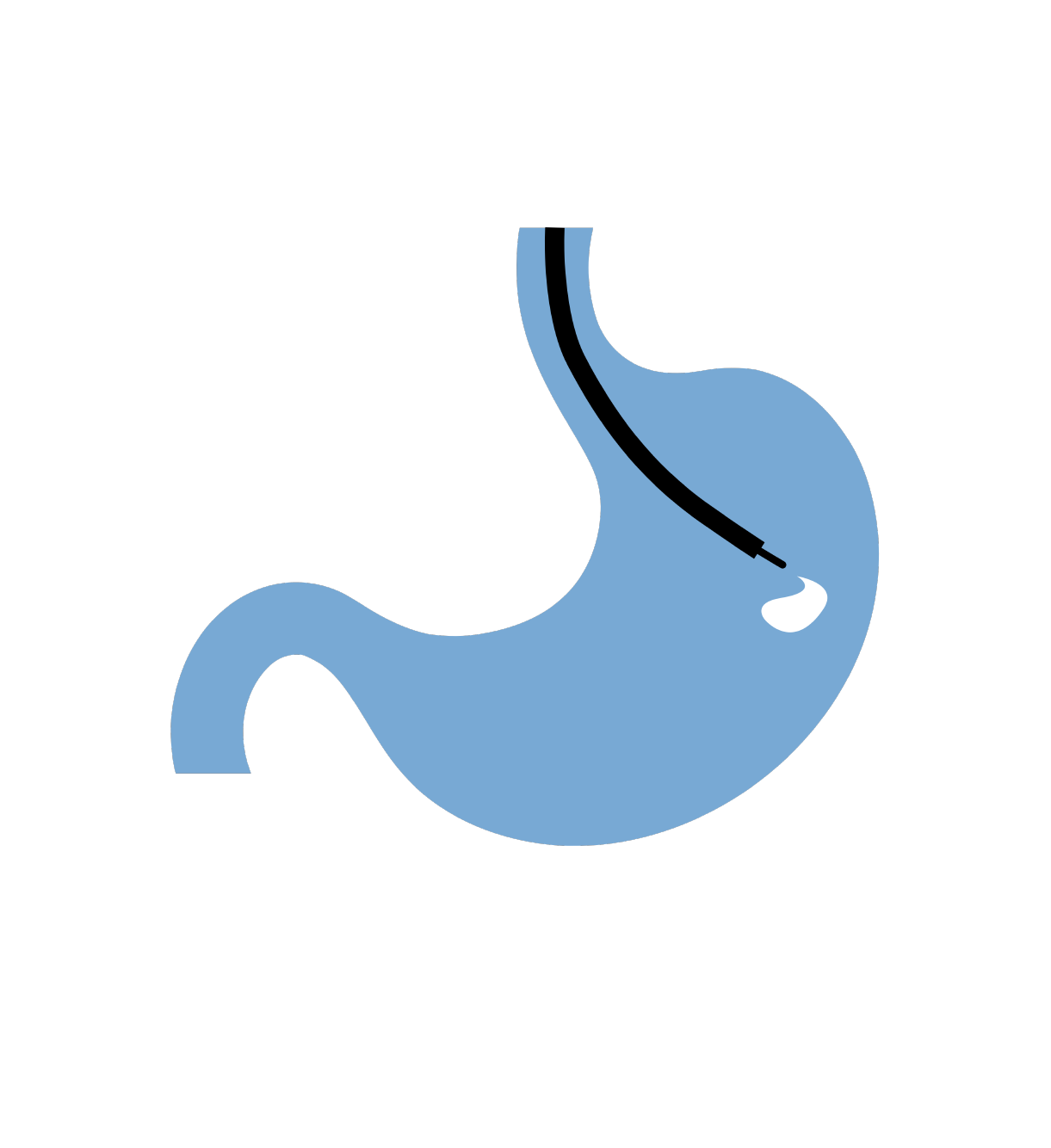
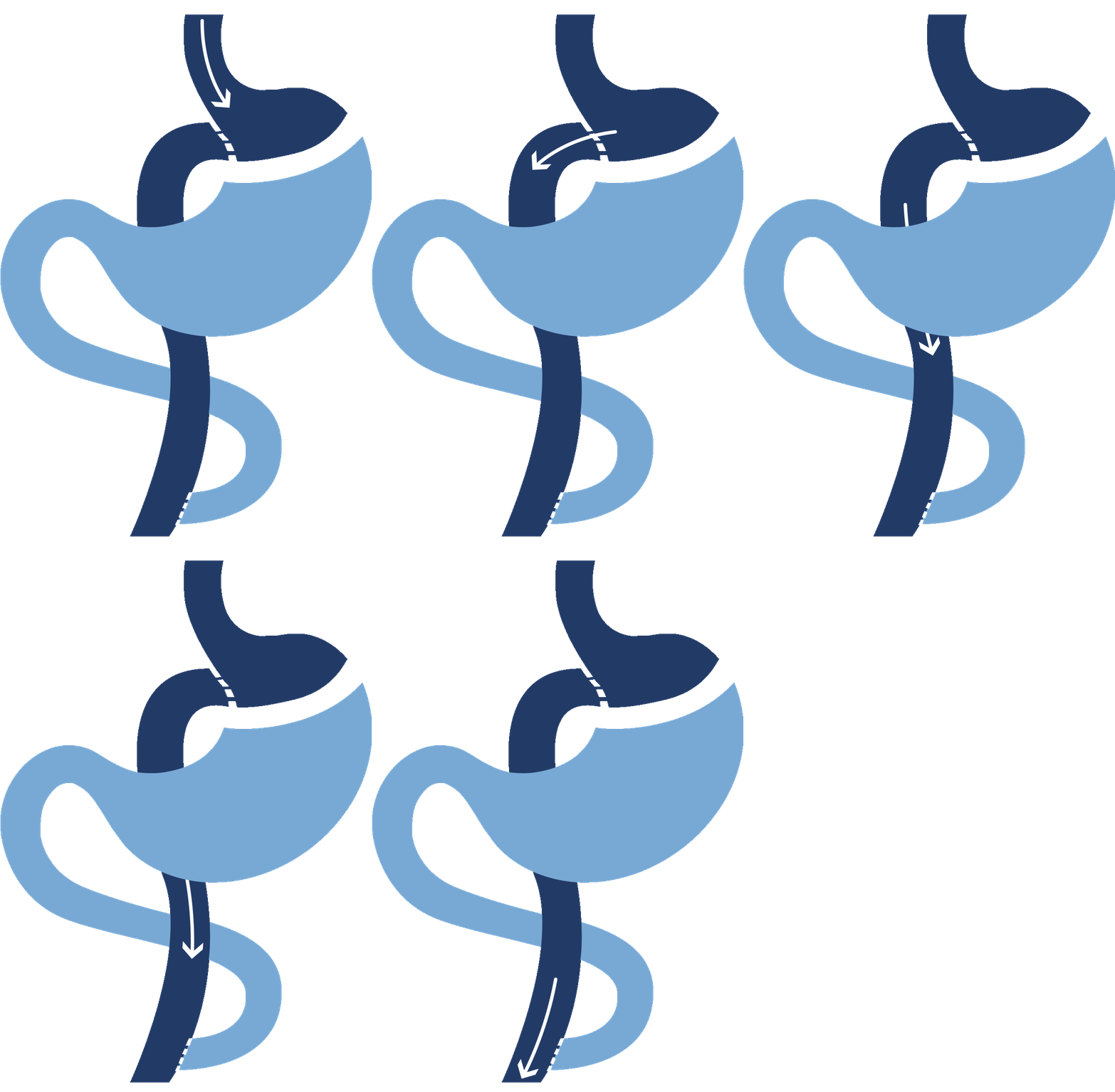
By use of surgical staples, the surgeon divides the stomach into two parts—the small gastric “pouch” at the top where food will now go into and the larger “remnant” section at the bottom through which food will no longer pass. The new, smaller stomach ‘pouch” is now about the size of an egg. As a result, patients will feel full faster, thereby eating less and restricting dietary intake.

Reduced Absorption

The new smaller stomach “pouch” is then connected directly to the small intestine (Roux limb), bypassing the larger “remnant” section of the stomach and duodenum (creating a “Y”). This reduces the amount of fats, calories and nutrients that is absorbed by the body, as the food is diverted from the small “pouch” stomach directly into the intestines.

Metabolic Effect

The rerouting of the food stream reduces the gut hunger hormone (ghrelin), thus promotes satiety, suppress hunger, and reverse one of the primary mechanisms by which obesity induces type 2 diabetes. During this surgery, the surgeon does not place any foreign implants and does not remove organs.

GASTRIC BYPASS VS GASTRIC SLEEVE

When considering gastric bypass versus gastric sleeve surgeries, the choice depends on factors like BMI and the severity of obesity-related health issues. Gastric bypass is recommended for those with a BMI over 40, especially if they have serious medical problems. This procedure significantly reduces both food intake and nutrient absorption. On the other hand, gastric sleeve surgery focuses primarily on reducing food intake and is less complex, leading to fewer complications.


While the sleeve is simpler, gastric bypass requires careful nutritional follow-up and supplements to prevent long-term issues. Potential risks with gastric bypass include gallstones, gastric dumping syndrome, bowel habit changes, excessive loose skin, and malnutrition. It's crucial to adapt eating habits after bypass surgery to minimize these risks. Despite the risks, gastric bypass has a lower likelihood of weight regain and often achieves more significant weight loss compared to the gastric sleeve. The decision between the two procedures should be based on individual health conditions, with a commitment to necessary lifestyle changes for optimal outcomes.

Proper nutrition after gastric bypass surgery is crucial for a successful recovery and long-term well-being. It is essential to have at least three well-balanced meals a day. These meals should prioritize protein, fruits, vegetables, and, finally, whole wheat grain groups. In the initial two weeks’ post-surgery, focus on consuming liquids, and gradually transition to mashed foods between the third, fourth, and fifth weeks. Hydration is key, with a minimum of 1.5-2 litres of fluids daily, including at least 6-8 glasses of water, to prevent issues like headache, dizziness, and dehydration-related symptoms.


Opt for soft and clear foods, such as low-fat milk-based desserts, mashed potatoes, cereals soaked in milk, cottage cheese, soft omelettes, and crushed fish. Avoid simple sugars like powder, sugar cubes, candies, and sweets. Thoroughly chew food to avoid stomach outlet blockage, which can lead to pain, discomfort, and vomiting. Ensure sufficient protein intake, and avoid consuming solid and liquid foods simultaneously to prevent stomach stretching and early feelings of fullness. Wait 30 minutes before or after meals to drink fluids, eat slowly within a 20 to 45-minute timeframe, and stop eating when a sense of fullness or pressure in the middle of the abdomen is felt. Keeping a daily food journal is beneficial, and seeking professional support is crucial if there are consistent vomiting complaints.

What to Eat in the First 6 Weeks After Gastric Bypass Surgery?

1st Week After Gastric Bypass Surgery:

During the initial week of post-gastric bypass surgery, a liquid-based diet is recommended. Options include meat broth, chicken broth, diluted apple and vegetable juices, sugar-free compote, skimmed milk, and diluted salted yoghurt drinks made from nonfat or half-fat yoghurt. Incorporating Qnt or whey protein powder is advised to ensure adequate protein intake, along with sugar-free herbal tea for hydration.

2nd Week After Gastric Bypass Surgery:

Expanding on the liquid diet, the second week introduces blended soups without grains. Unseasoned soup, fish soup, noodle soup in chicken broth, tomato soup without tomato paste, yoghurt soup, and lentil soup become viable options. This phase focuses on maintaining a smooth transition from liquid to more textured foods.

3rd Week After Gastric Bypass Surgery:

As the third week approaches, soft and crushed foods become permissible. Foods rich in protein and calcium are prioritized in the Soft Juicy/Puree diet, offering a broader range of options. Choices include soft-boiled eggs, lean curd, non-fat yoghurt, fruit puree, vegetable puree, spinach puree, tuna puree, and mashed potatoes with cheese. Additionally, diabetic custard and thick fruit yoghurt are recommended alternatives.

4th and 5th Week After Gastric Bypass Surgery:

The fourth and fifth weeks introduce consistencies that can be crushed with a fork. Options expand to include vegetable puree with mushrooms, soup with meat, yogurt soup, seasoned meatballs in a pot meal, and cheese omelets. These weeks mark a gradual progression toward more textured and solid foods, supporting the recovery process.

6 Week After Gastric Bypass Surgery

By the sixth week, a transition from protein-rich calories to a low-calorie diet is initiated. While any solid food can be consumed in the long term, a gradual approach is recommended. Cooking dishes in meat or chicken broth remains beneficial for protein intake. Ensuring a sufficient daily protein intake is emphasized during this phase, contributing to the overall success of the recovery journey.

THE BEST WEIGHT-LOSS OPTION FOR YOU

Non - Surgical

Surgical

FAQs

After undergoing gastric bypass surgery, it's important to be mindful of food choices to ensure a smooth recovery. Certain foods should be avoided, and here are some alternatives: Fresh bread: Opt for toast or crackers, which are easier to digest and less likely to cause discomfort. Rice pilaf: Instead of traditional rice pilaf, consider consuming rice soup, which provides a softer texture and aids in digestion. Pure meats: Choose slow-cooked meats, prepared in small, crushed pieces. This makes them more manageable for the altered digestive system post-surgery. Fiber-rich fruits (celery, sweet corn, raw fruits): Opt for peeled and slow-cooked alternatives such as broccoli, peeled tomatoes, and cauliflower. This helps reduce the fiber content, making them gentler on the stomach. Citrus fruits (oranges, grapefruit): Peel and remove the membranes from citrus fruits, or opt for diluted fruit juice to minimize acidity and potential discomfort.

After gastric bypass surgery, changes in bowel habits may occur as a result of consuming smaller portions compared to pre-surgery diets. Initially, individuals may experience a need to use the toilet every 2-3 days. To prevent constipation, incorporating high-fiber foods such as whole wheat breakfast cereals, foods made from shelled wheat products, baked dried beans, and whole wheat crackers is recommended. Fruits and vegetables play a crucial role in preventing constipation, and it's essential to ensure the intake of at least 8-10 cups of liquids between meals for overall digestive well-being.

Excessive consumption of simple carbohydrate foods post-surgery can lead to dumping syndrome, characterized by complaints arising from rapid stomach emptying. To prevent this syndrome, it is essential to limit certain foods in the nutrition program and focus on achieving adequate and balanced nutrition in the weight loss program. Opting for diabetic desserts is recommended, and special attention should be given to avoiding sugary foods such as ice cream, chocolate with milk, fruit yoghurts, fruit syrups, instant juices, sugar-added muesli, sweet buns, cakes, frosted candies, jellybeans, cookies, cakes, lemonade, teas with sugar, instant coffees, sugar cubes, honey, marmalade, and sugary gums. Making mindful choices ensures a healthier and more successful post-surgery dietary approach.

Gastric bypass surgery, like many abdominal surgeries, carries certain inherent risks. Common complications include bleeding, infection, postoperative ileus (intestinal obstruction), hernia, and general anaesthesia-related issues. However, the most serious risk involves the potential for leakage at the connection between the stomach and small intestine, which may necessitate a second operation. Additionally, obesity increases the likelihood of other surgical risks such as blood clot formation (embolism) and cardiac problems affecting the feet and lungs. Approximately 10-15% of patients undergoing this surgery may experience some of these complications. While more serious complications are rare, the majority of common issues are both acceptable and treatable with proper medical attention.

Gastric bypass is a weight loss surgery that involves creating a small stomach pouch and rerouting the digestive system. It helps in weight loss by limiting food intake and altering nutrient absorption

Weight loss varies, but patients can often lose up to 70% of excess weight within 1.5 to 2 years after surgery.

Gastric bypass is generally considered irreversible due to the anatomical changes made during surgery.

Yes, but it's advisable to wait 18 months to 2 years after surgery to allow for weight stabilization and nutritional balance.

TESTIMONIALS

-->


We inspire hope to health and wellbeing to every patient.


0 +

Successful Surgeries


0 +

Patients Treated


0 +

241 Medications (Everyday)

1   Pre Placement

Meet your team
Where we explain to you the Trifecta program facets, take a detailed medical history to see if you are eligible.

Work Up
We will then do a series of lab, imaging, anthropometry & mental assement tests to know your bodys inner workings and consequently set viable goals.

Preparation
You will be prepared physically & mentally with support from our specialists for the placement of the balloon

2   Balloon Placement

Practise
We go a step further and practice the process beforehand so you are absolutely comfortable. In addition, we give you
medication to help with the process.

Effortless swallowing
Of the folded balloon packaged into a tiny pill, attached to a very thin tube. Once in the stomach,balloon is filled via the thin tube with 550mls of water & the tube removed gently, leaving the filled balloon in the stomach.

The AI devices
We set up you up with Trifecta’s third arm to keep YOU in control & connected

3   Post Balloon Placement

allurion gastric ballon in kenya

Start your weight loss journey once balloon placed, the AI devices optimize your weight loss & the team of specialists help you keep the weight off long term.

The specialist consultation continues right after balloon placement till the 6th month with daily check-ins. We ensure you’re comfortable and reach your set goal through a smooth and holistic lifestyle change.

With real time connection with your team via the AI devices we are able to track your medical status, diet & physical activity which helps us make the Trifecta program hassle free so you can go back to whats really important Take a Honeymoon from hunger!
weight loss center in kenya

4   Balloon Passage and Beyond

allurion gastric ballon in kenya
Passage
The balloon is safe, it auto degrades, deflates and passes out through your system naturally in 16-20 weeks. Our specialist consults continue till 24 weeks for that added reinforcement.

Beyond
95% of weight loss achieved is sustained after balloon passage. Our Trifecta Program reconditions the body and mind that helps you not only maintain your weight but keep losing if you so desire.